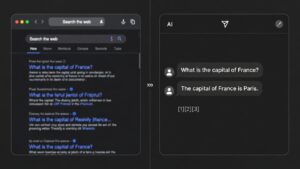
What is SEO for AI Called?
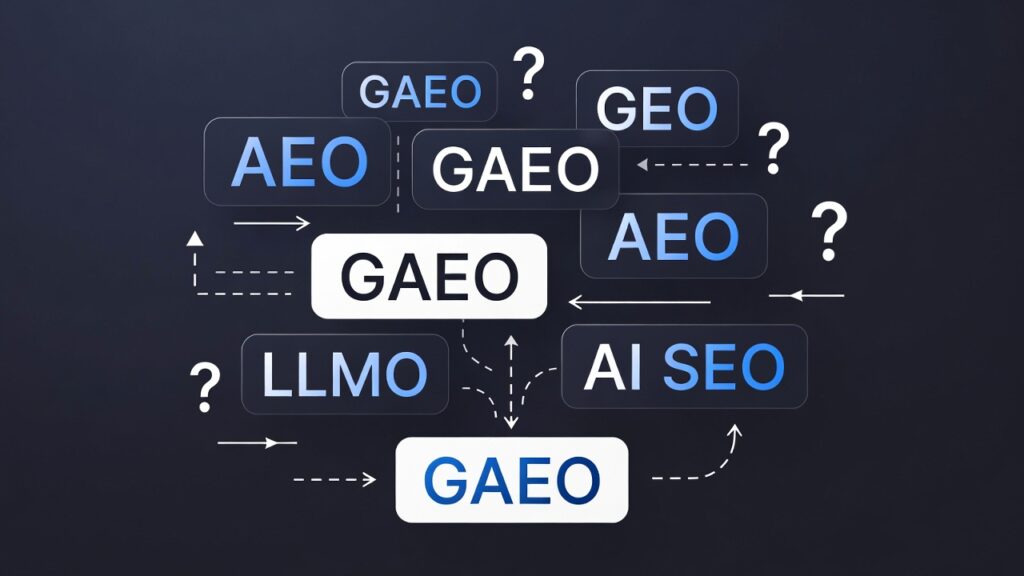
Nobody agrees. You’ll see GAEO, GEO, AEO, LLMO, and “AI SEO” used interchangeably. It’s annoying, but here’s what each actually means.
The Terms
GAEO (Generative AI Engine Optimization): Optimizing for AI systems like ChatGPT, Claude, and Perplexity. The “generative” part matters. These AIs create responses, not just retrieve links.
GEO (Generative Engine Optimization): Same thing as GAEO, shorter to say. Academic papers from Princeton use this one.
AEO (Answer Engine Optimization): Broader term. Includes voice search (Alexa, Siri), featured snippets, and AI. Predates the ChatGPT era.
LLMO (Large Language Model Optimization): Technical term focused on the underlying models. You’ll see it in ML circles, rarely in marketing.
AI SEO: Casual catch-all. Everyone understands it, but it’s vague. Could mean optimizing for AI, using AI for SEO, or both.
Which One to Use
For most purposes: GEO or GAEO.
They’re specific to generative AI (the thing people actually care about) and increasingly common in SEO discussions. Moz, Search Engine Journal, and other industry publications have started using them.
“AI SEO” is fine in casual conversation. Avoid LLMO unless you’re writing for a technical audience.
The terminology will probably consolidate over the next year or two. Until then, pick one and be consistent.
What This Work Actually Involves
Whatever you call it, the practice is the same:
1. Crawler access. AI systems send bots (GPTBot, ClaudeBot, PerplexityBot) to index your site. You control access via robots.txt. Full crawler list.
2. Site context. llms.txt tells AI what your site is about. Schema markup (Organization, Article, FAQ) helps AI understand your content structure.
3. Content structure. Clear headings, FAQ sections, direct answers to questions. AI systems extract information. Make extraction easy.
4. Authority signals. Original research, expert authors, external citations. Same stuff that helps with regular SEO.
The tactics overlap heavily with traditional SEO. The difference is the goal: instead of ranking in search results, you’re trying to get cited in AI responses.
How It Differs From Regular SEO
| Traditional SEO | GEO/GAEO | |
|---|---|---|
| Goal | Rank in search results | Get cited in AI answers |
| Success metric | Click to your site | Your info in the response |
| Primary signals | Backlinks, keywords | Clarity, structure, authority |
| Control | Extensive | Limited |
The uncomfortable truth: in traditional SEO, you win when users visit your site. In GEO, you might “win” when AI uses your information without sending any traffic. Perplexity cites sources and drives clicks. ChatGPT often doesn’t.
FAQ
Is this replacing SEO?
No. Google still drives most search traffic. GEO is an additional channel.
Do I need to use these acronyms?
Not with clients or general audiences. “Optimizing for AI search” or “getting cited by ChatGPT” is clearer than “GAEO strategy.”
Which term is most searched?
“AI SEO” gets the most searches because it’s intuitive. GEO/GAEO are more precise but less commonly searched.
Will the terminology settle down?
Probably. These things usually consolidate. My bet is GEO wins because it’s shorter.
Malcolm Michaels is the founder of HeyTC and creator of GetCited. This post was developed with AI assistance: human direction, AI drafting, human editing.